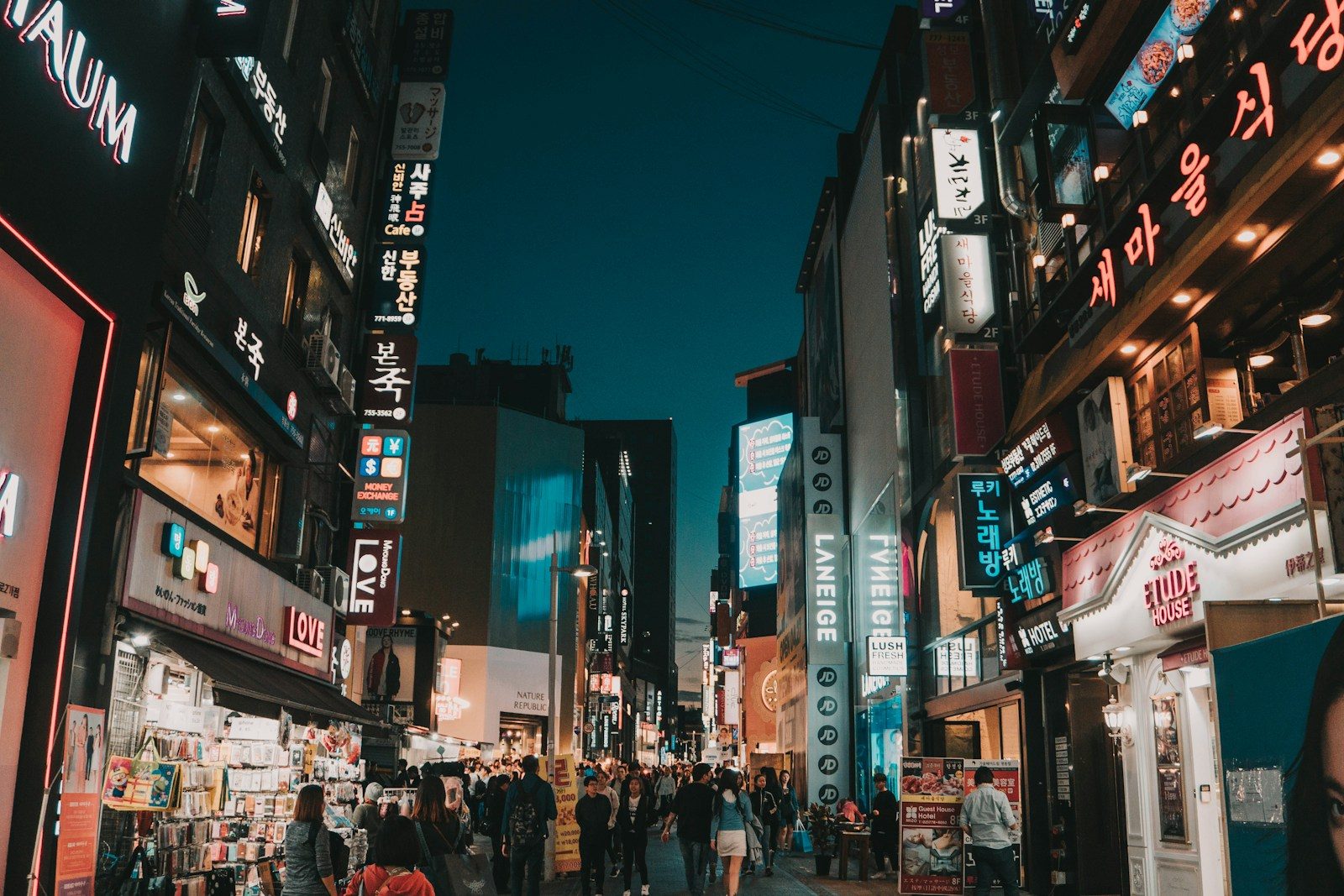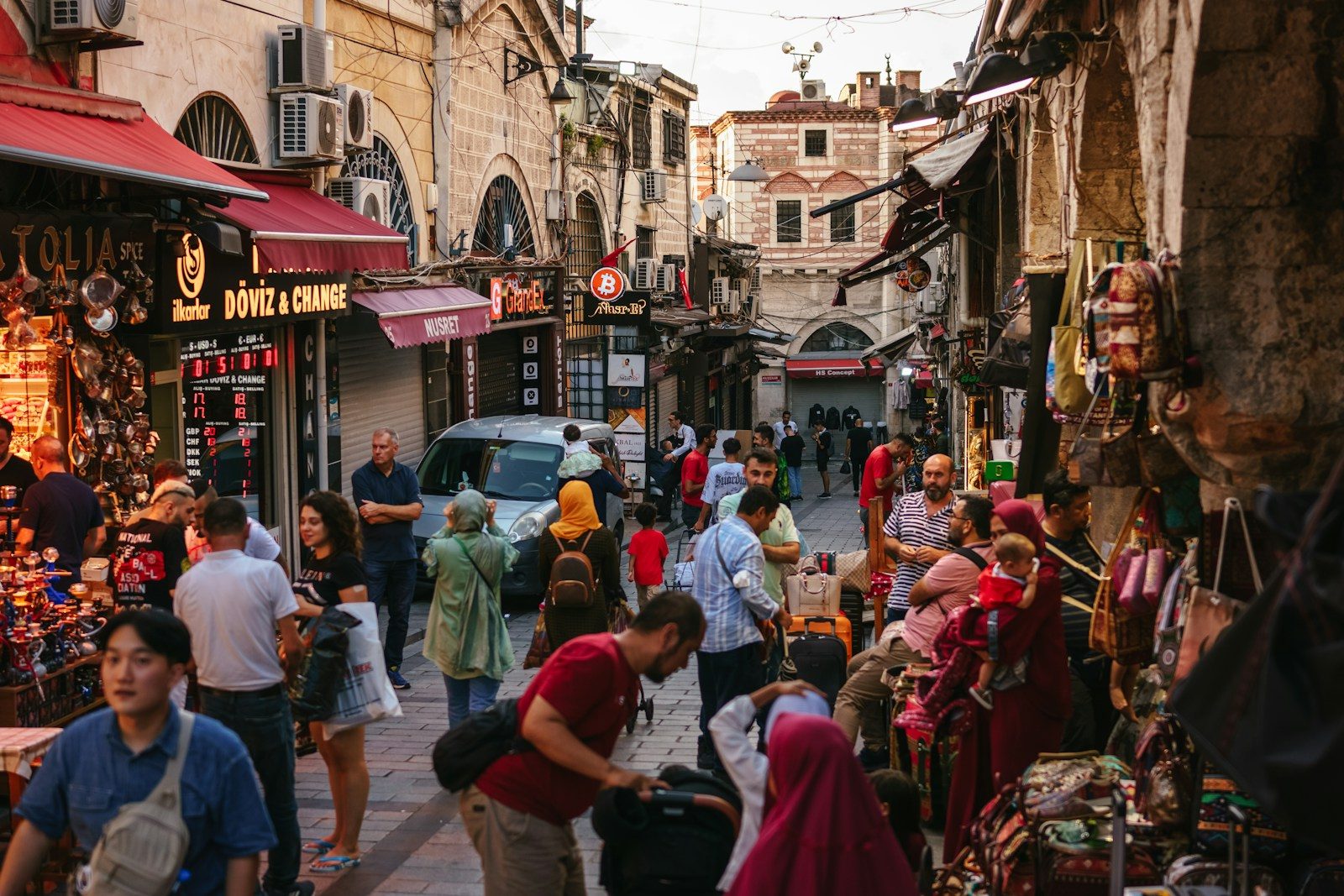
If you are putting together sign text for the bustling markets of Istanbul, your aim isn’t just to catch eyes – it’s about making sure your words are clear at first glance, inspire trust instantly, and leave a lasting memory even as shoppers drift into the crowd. The Grand Bazaar, with its maze of more than sixty alleys and twenty or so entrances, is known for signs that often speak to local merchants more than wandering tourists. In this setting, simple, culturally sensitive language on your signs is essential to turn curiosity into actual business.
Crafting Signage Text for Istanbul’s Lively Bazaars
The markets of Istanbul stand apart from typical shopping avenues. They are crowded, full of activity, and rich with scents, sounds, and diverse languages. Here, every sign has double duty: it doesn’t just advertise; it needs to guide, offer reassurance, and persuade – all in just a few words. That means the wording on your sign should be much more than an afterthought.
Whether your shop is located within the lanes of the Grand Bazaar, near the aromatic Spice Bazaar, or close to the artisanal Arasta Bazaar, the sign outside isn’t just a decorative touch. It’s woven into the entire shopping experience. The best signage blends smoothly into its surroundings, respects the atmosphere, and still manages to get its main message across. That’s the result of a thoughtful approach to modern branding in Istanbul’s signature commercial hubs.
Why Text on Signs is So Important in Istanbul’s Markets
The Grand Bazaar buzzes with activity day in and day out, drawing countless shoppers and tourists – especially at peak times. In such a whirlwind, people don’t spend time reading lengthy explanations; they use signs as fast navigation tools. A message that’s crowded, unclear, or too literal can be overlooked almost instantly.
Effective sign text:
- Tells exactly what the shop offers, without delay.
- Instills a sense of trust at a glance.
- Helps visitors figure out where they are amidst the market’s winding passages.
Because shoppers are often weaving through crowds, juggling choices, and keeping an eye out for the next interesting shop, you have only seconds – if not less – to make an impression. The first line on your sign is the most valuable real estate.
Focus on Simplicity and Clarity
In busy bazaar aisles, clever wordplay is less effective than a message that spells things out clearly. While puns and witty phrases might charm in a boutique, here they slow customers down. Shoppers are searching for quick answers: What’s this shop? What’s for sale? Why should I step inside?
An effective sign usually keeps it simple:
- State the product or service.
- Add a phrase that builds trust.
- Give a clear cue on what to do next.
Think of signs like:
- Handmade Turkish Carpets
- Authentic Spices and Tea
- Custom Silver Jewelry
- Fixed Prices Available
- Family Business Since 1987
These work because they’re direct. They let people know what to expect and make the store feel approachable.
Keep Messages Short and Easy to Scan
Because people are often on the move, bazaar signs should deliver their message fast. With narrow walkways and dense crowds, you only get a moment to grab attention. Use short phrases, stick to one idea per line, and organize information cleanly.
Practical tips:
- Limit the main message to between three and seven words.
- Start with the most important word.
- Avoid running sentences together.
- Rein in the number of selling points packed into a single sign.
For example, “Handmade Leather Bags in Many Sizes and Colors at Affordable Prices” is overwhelming. A simpler sign – “Handmade Leather Bags” with a smaller note like “Affordable Prices” or “Custom Orders Welcome” – works much better.
This structure is a staple in Istanbul’s crowded shops, where buyers dart between stalls and must decide swiftly whether to stop.
Align Your Wording With the Market’s Spirit
Istanbul’s bazaars pulse with history and local flavor, and İstanbul’daki Tabela Yazısı are most effective when they feel natural and sincere. The ideal text fits the ambiance – friendly, genuine, and steady.
While you don’t need to sound old-fashioned unless it suits your business, your words should match what you’re selling. For traditional wares like lanterns, spices, ceramics, or textiles, lean into local authenticity:
- Traditional Turkish Crafts
- Locally Sourced Spices
- Bazaar-Style Gifts
- Artisan-Made Copperware
For newer, trendier businesses, go with crisp and straightforward language:
- Fresh Roasted Coffee
- Premium Leather Goods
- Fast Custom Printing
- Best-Selling Souvenirs
Remember, consistency matters: Let your text match your décor and branding.
Smart Use of Multiple Languages
Given the diverse crowds mingling in Istanbul’s markets, bilingual or even trilingual signs can help – but packing too many languages into one space can make your message disappear.
Follow these basics:
- Feature your main language prominently.
- Include English when serving tourists.
- Add a third language only when it adds value for your crowd.
A spice shop, for instance, might use just “Baharatlar” and “Spices and Tea.” That’s all the clarity many shoppers need without information overload.
Clean design still rules: Make sure size, font, and spacing make each version easy to read.
Choose Words That Build Confidence
A shop’s reputation is everything in a busy shopping zone. Shoppers want transparency and reliability from the sellers they approach. Strategic word choices can establish that sense of credibility.
Phrases that inspire confidence:
- Family Business
- Since 1987
- Handmade
- Authentic
- Local Craftsmanship
- Fixed Prices
- Custom Made
These aren’t just buzzwords – they tell your story and prove your legitimacy in a sea of similar products. Just make sure they reflect the truth; customers are quick to notice empty claims.
Make Your Sign Visible and Legible
Even the best wording is useless if no one can decipher it across a busy bazaar. Consider all the visual competition – display racks, hanging decor, tight pathways.
For clear signage:
- Use bold, readable fonts.
- Go for strong contrast.
- Minimize the use of fancy scripts.
- Space your words well.
- Limit yourself to two font styles per sign.
Great sign text works both up close and from across an aisle. If the words are packed too tightly or fade into clutter, your message gets lost.
Directional Signs as Navigation Helpers
In intricate markets where shoppers can get easily disoriented, signs can serve a dual purpose by aiding navigation. Giving clear indications about shop type and position helps orient newcomers and encourages spontaneous visits.
Examples:
- Entrance A: Carpet Gallery
- Near Gate 3
- Upstairs Jewelry Section
- Spice & Tea Shop
- Next to the Gold Lane
Signs that tell people where they are or which way to go reduce confusion and boost the chances of drawing them in.
Avoid the Usual Mistakes
Market businesses often lose impact with signs that aim for too much or say too little. Watch out for these pitfalls:
- Long-winded slogans
- Too many flashy colors
- Excessive marketing language
- Low-contrast text
- Unconvincing claims
- Bad translations
- Vague descriptions
Instead, stick with brief, actionable phrases like “Turkish Ceramics,” “Handmade Gifts,” or “Affordable Prices.” These are honest and useful.
Where Signage Meets SEO
Modern signage borrows tactics from SEO – clear, straightforward phrases make sense both to online shoppers and people in physical markets. Your sign should feature the main product or service and avoid trying to cramp too many keywords in.
Phrases like “Istanbul Bazaar Spices” or “Grand Bazaar Handmade Rugs” are clear and help with both walk-in traffic and digital searches.
The Winning Formula for Bazaar Signs
A straightforward structure is your friend:
- Product + Trust Phrase + Action Cue
Try layouts such as:
- Handmade Rugs | Family Business | Step Inside
- Turkish Tea and Spices | Fresh Daily | Try a Sample
- Silver Jewelry | Custom Designs | Ask Inside
- Leather Goods | Authentic Craft | New Arrivals
It’s brief, clear, and visually appealing – perfect for fast-paced markets like Istanbul’s.
The best signs in Istanbul’s bazaars are direct, trustworthy, and feel at home in their setting. They respect customers’ time, cut through the noise, and invite discovery. Focus on clarity over flash, and your shop’s sign won’t just be seen – it’ll be remembered.